Vehicle wrap shops
EST Wrap: a wrap shop website with an SEO engine behind it
Client
EST Wrap
Sector
Vehicle wraps
Location
Montréal, Québec
Built
June 2025, one to two weeks
The client
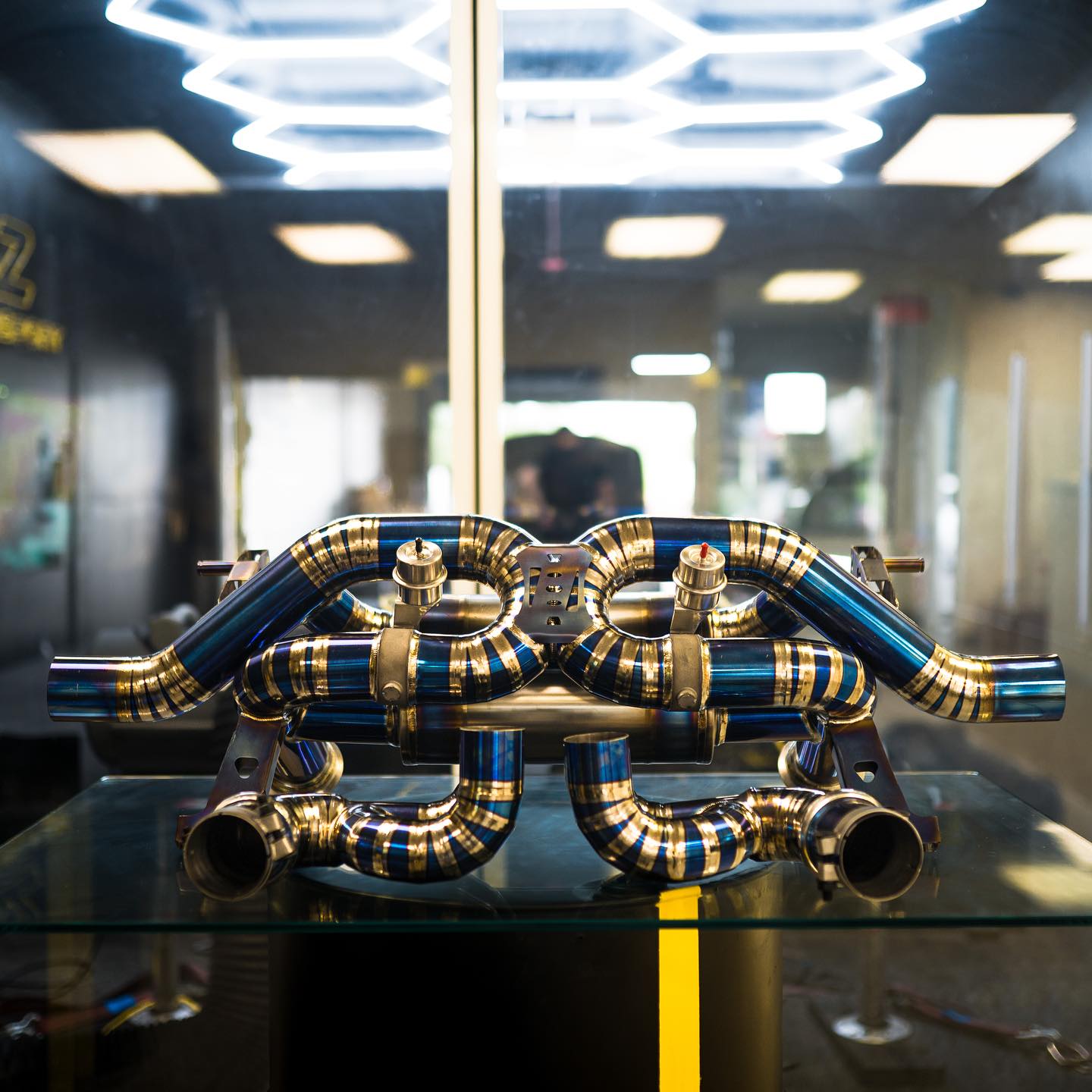
EST Wrap is a vehicle wrap shop in Montréal, Québec. Wrapping is visual work in a visual market: colour changes, commercial wraps, finishes, the product is what it looks like, and customers shop with their eyes before they ever call. It is also a local-search business.
Nobody ships a car across the country to get it wrapped; the customers who matter are the ones typing "vehicle wrap Montréal" and variations of it into a search box, and the shops they find on the first page are the shops that get the call.
That puts two demands on a wrap shop's web presence that a generic template site meets poorly: it has to present the work at the standard of the work itself, and it has to actually get found. In June 2025, EST Wrap brought us in to deal with both, a website built to properly represent the brand, and an AI-powered system behind it to grow the brand's SEO overall. The build shipped in one to two weeks.
The problem
A wrap shop with a weak website has a mismatch problem: the craft is premium, the online presence says otherwise, and prospects judge the shop by the presence. The deeper problem is visibility. Local SEO is not a set-and-forget task, it rewards sites that keep producing relevant, well-structured content targeting what people in the area actually search for.
No shop owner has time for that. The realistic alternatives are paying an agency a monthly retainer to write it, or letting the site sit static while competitors who do invest in content climb past it.
This build addressed both layers at once: a site that finally represents the brand the way the physical work does, and an AI-powered SEO system so that growing search visibility becomes something the system does continuously rather than a recurring bill or a neglected chore.
- Premium craft, budget presence. The work is bought with the eyes, and the old site undersold it to prospects judging the shop by its website.
- Invisible in local search. Wrap customers start at a search box, and the shops on the first page take the calls.
- SEO needs constant feeding. Local search rewards sites that keep publishing relevant content, which no shop owner has time to do.
- The alternatives both lose. Pay a monthly retainer forever, or let the site sit static while competitors climb past it.
Constraints
The build ran in June 2025 and shipped in one to two weeks. Brand representation was a hard requirement, not a nice-to-have, the site had to look like the work, which shaped the design effort inside a short timeline.
The SEO system had to be sustainable without the client's ongoing labour: a wrap shop is not going to staff a content operation, so the AI layer had to carry the continuous work of growing search presence while the shop's involvement stays close to zero. The two pieces shipped together, since content that ranks is wasted if the site it lands on undersells the brand.
What we built
Brand-first custom website
A custom site designed around what EST Wrap actually sells: the look of the finished work. Built to properly represent the brand, the visual standard of the site matching the visual standard of the wraps, so the first impression online matches the first impression in person.
AI-powered SEO growth system
The system behind the site that grows EST Wrap's SEO overall. Instead of visibility depending on a retainer or on the owner finding time to write, the AI layer does the continuous work of building out the relevant, structured content that search engines reward.
SEO-ready site architecture
The site itself is built to rank: clean structure, fast pages, and metadata handled properly page by page. The architecture is the foundation the SEO system builds on, content the system produces lands on pages engineered to be indexed and understood.
Search-intent content targeting
The SEO system is pointed at how wrap customers actually search, services, and the local phrasing a Montréal customer uses when looking for them. Growth is aimed at the queries that produce quote requests, not traffic for its own sake.
Compounding content coverage
SEO pays out on accumulation: every addition widens the surface the shop can be found on, and authority builds over time. The system is designed for that long game, steadily expanding coverage so the brand's search presence grows month over month without new effort from the shop.